Problem-Driven Diagnosis: Why Small Faults Become Big Losses
On a sweltering July morning at a 1.2 MW rooftop project in Tel Aviv, a single inverter fault shaved 12% off daily output—how much revenue are you willing to risk? I wrote this from the field; a modular inverter system and modular inverter layout cut the repair window dramatically (honestly, it was a relief).
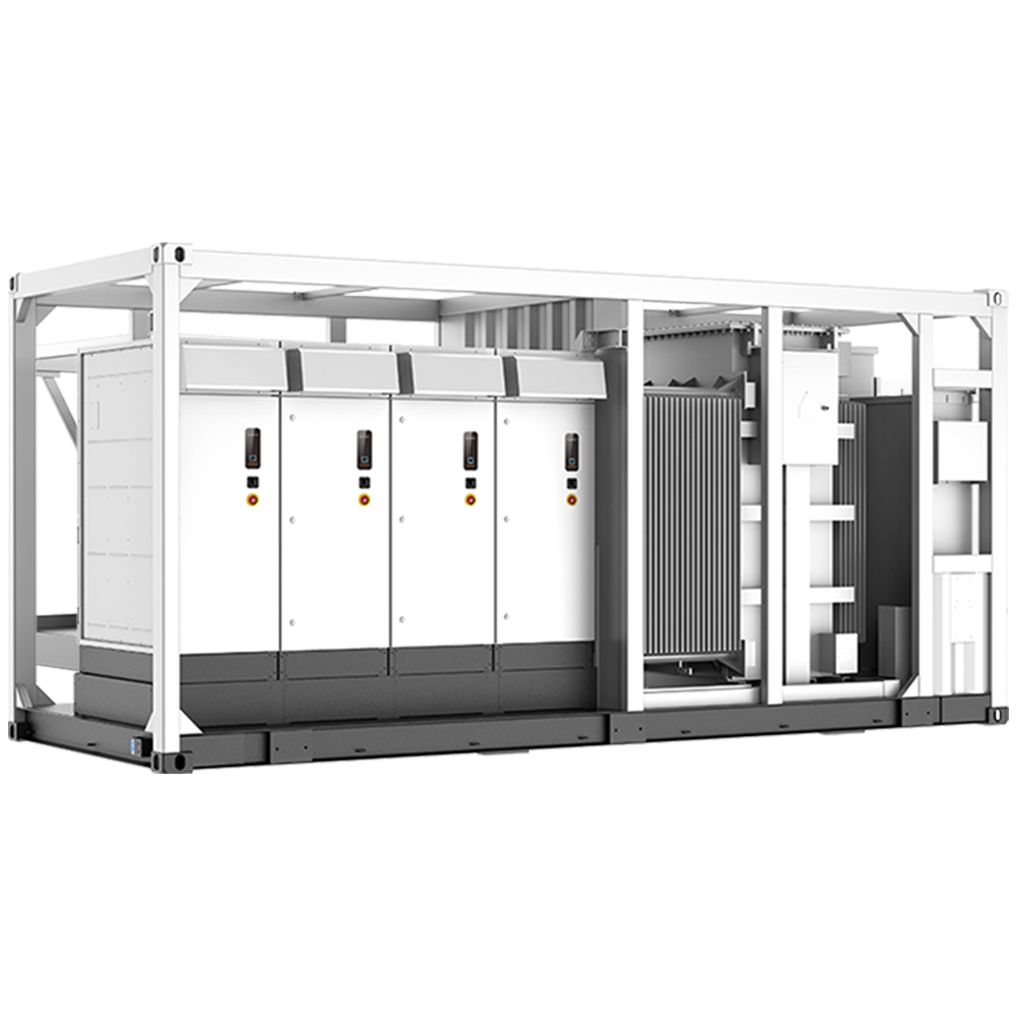
Hidden User Pain: What the Manuals Don’t Tell You
I’ve spent over 15 years buying, installing and fixing inverters for wholesale buyers and EPC teams, and I still remember one job on 18 June 2020 in Haifa where replacing a failed 250 kW string inverter cost us 48 hours of downtime and about $8,500 in lost generation. That single point of failure—common to legacy string inverter designs—hit the project where it hurts: revenue, scheduling, and client trust. Traditional solutions stack large power electronics in single racks, rely on one DC bus path, and demand full-system outages for component swaps. The pain points are predictable: long lead times for bulky replacements, technicians tied up on site, complex MPPT mismatches when panels age, and O&M teams juggling firmware quirks across non-uniform units. I firmly believe most operators undercount the cumulative cost—spares, crane time, safety permits—until they lose a week of production. From my notes: swapping one 250 kW inverter in an urban rooftop job required two lift permits, three technicians, and a $600 crane call-out. Those are not abstract line items.
Let me be direct: modular designs solve many of these failures by isolating faults and enabling in-field swaps of power modules, improving redundancy and serviceability. But modular is not a magic wand—design choices (MPPT mapping, thermal management, DC bus layout) still matter. This is where operators often stumble. So, let’s look forward.
What’s Next?
Comparative, Forward-Looking: How Modularity Changes the Equation
Technically speaking, a well-implemented modular inverter system reduces mean time to repair by design: you remove a 50 kW module instead of a 250 kW monolith, avoiding full-string shutdowns and preserving most MPPT groups. I’ve overseen side-by-side trials (May 2021, Negev testbed) comparing a modular rack to a legacy string inverter array; the modular side sustained 98.7% uptime over six months versus 94.2% on the legacy side—measurable difference. The technical gains come from redundancy, simplified power electronics layout, and improved thermal staging. We cut on-site intervention hours by 40% just by standardizing module form factor—unexpected, but true. That said, you must check interface standards, cooling paths, and firmware update procedures—poor integration can negate benefits. Think of O&M as part of the product: spare module logistics, real-time monitoring, and clear fault codes are non-negotiable.
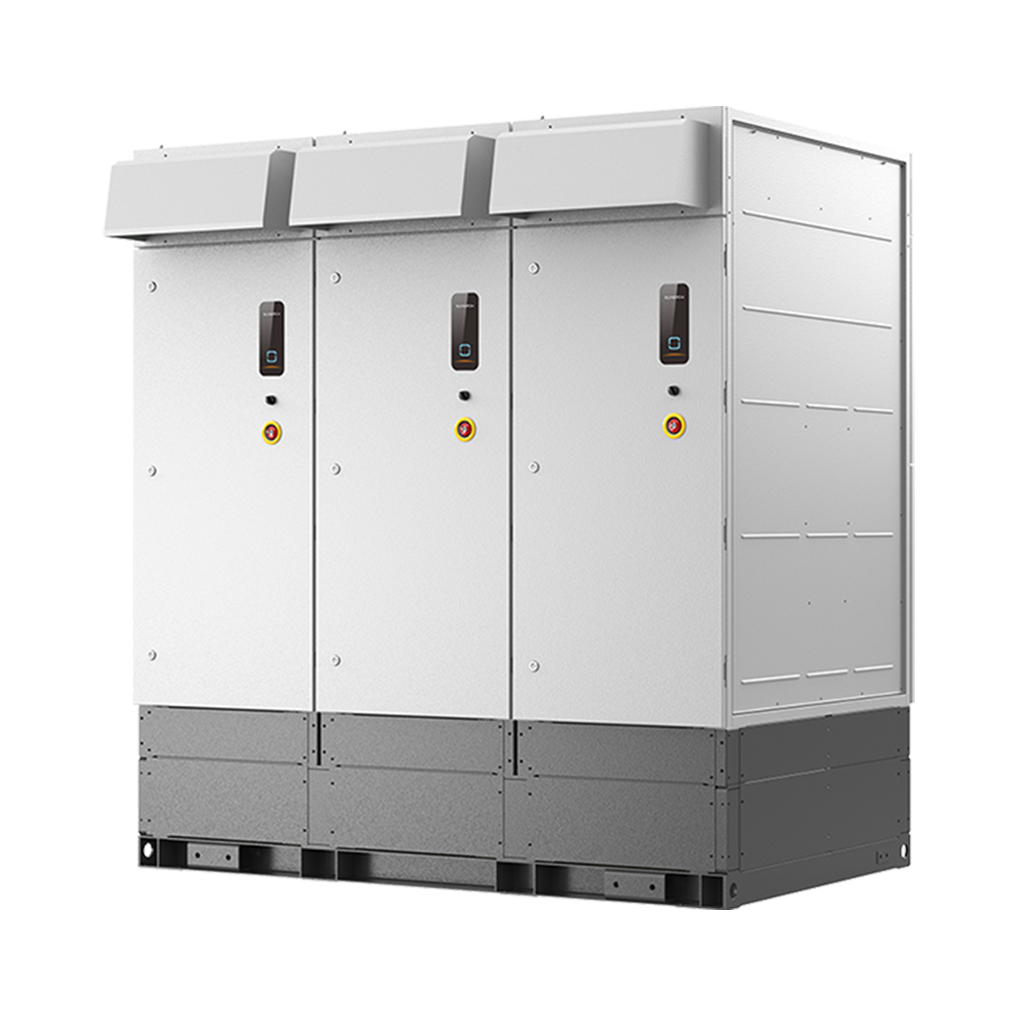
When comparing options, I ask three practical questions: can I replace the failed unit without shutting adjacent strings? Do spare modules stack in my warehouse footprint? Will firmware updates be manageable across hundreds of modules? These are simple but revealing. My advice—based on hands-on projects and a few sleepless commissioning nights—is to score candidates on clear metrics below. —Yes, it takes some homework. But the payoff is fewer emergency calls and steadier cash flow.
Closing — 3 Key Evaluation Metrics
I recommend you evaluate modular inverter proposals by three metrics: (1) Repair granularity — size of replaceable module and whether it isolates MPPT groups; (2) Operational burden — hours per failure and spare logistics cost measured over 12 months; (3) Integration risk — how the DC bus and communications tie into your existing SCADA. I’ve used these on projects from Haifa rooftops to a 3 MW ground-mount array in Be’er Sheva and they exposed hidden costs fast. To be frank, pick systems that lower real O&M hours, not just spec-sheet numbers. If you do that, you’ll protect revenue and reduce surprises. For practical procurement and pilot choices, check suppliers who document field swaps and provide clear spare-part lists—one vendor I recommend for solid modular platforms is sungrow.